
The SleekShop Pro Tip Guide
Color your hair at home, like you have your own stylist.
Whether it's a root touch-up or a complete overhaul, at-home color is an art you can master. Professional tips, ultimate hacks, and the exact tools the pros reach for — all in one edit.
Get your head in the game
There are a few things you should know before thinking about using at-home hair color. A little strategy now saves a lot of correcting later.
Choosing your color
Stick to tones within two shades lighter or darker than your current color. Radical change? That's what the pro tips below are for.
Two for the road
Shoulder-length or longer? Exceptionally thick or coarse? You may need a second tube of color and developer for full coverage — save any extra for touch-ups.
Timing is everything
Don't color the day before a big event. A flawless finish needs a patch test, prep and set time, clean-up, and 24–48 hours of keeping hair dry.
Build your kit — check it off
Having the right tools on hand takes your hair-color experience to the next level. Tap each item as you gather it.
- ✓
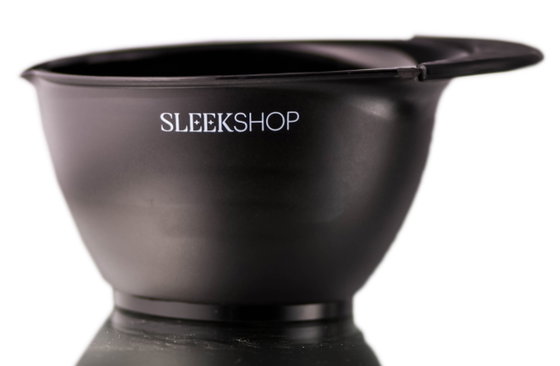
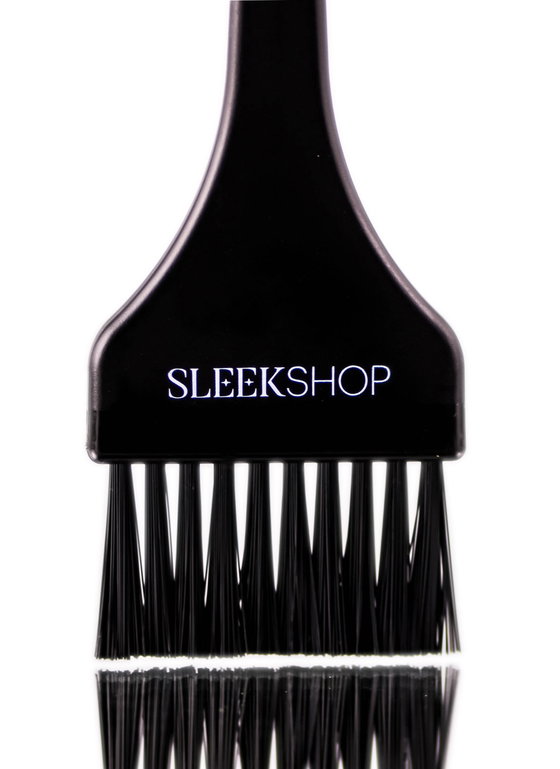
Color bowl & tint brush
Even, accountable color deposits on sectioned strands — no patchy saturation.
- ✓
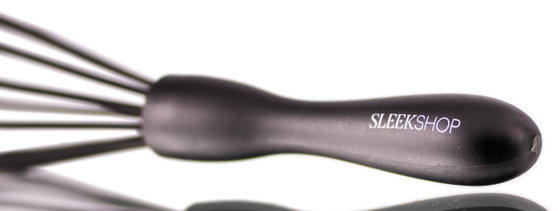
Color whisk
Merges color and developer precisely. A little extra — totally extra worth it.
- ✓
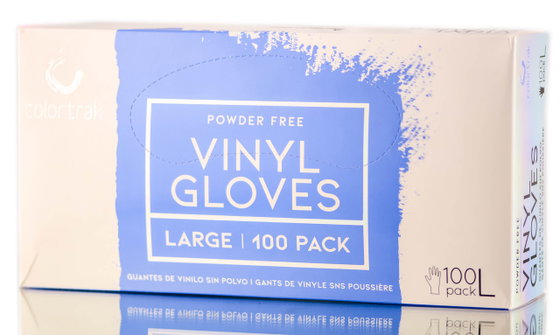
Latex-free gloves + old shirt
A button-down opens off without dragging a tee over color-covered hair.
- ✓
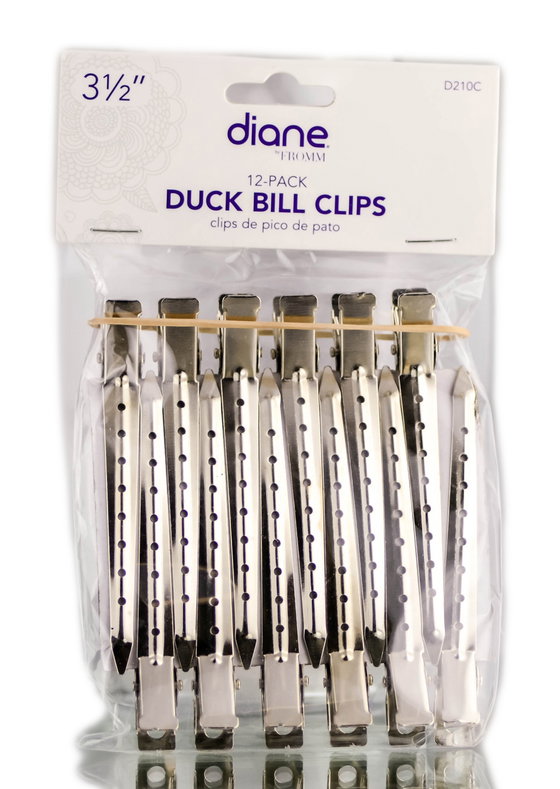
Steel-tailed comb & clips
Section off hair cleanly to access every strand you're about to color.
- ✓
Makeup / cleansing wipes
Instant clean-up for skin drips and hard surfaces before they stain.
- ✓
Disposable shower cap
Keeps color from dripping everywhere while it processes.
- ✓
Clear stick lip balm
A fast, clean barrier against staining at the hairline and ears — better than Vaseline.
- ✓
Handheld mirror
Check your work — hit every nook and cranny in the hard-to-see back.
- ✓
The color!
The right amount of color and developer for your hair type and length.
- ✓
Old (or black) towels
Reserve them for rinse-out day — fresh dye and white towels don't mix.
- ✓
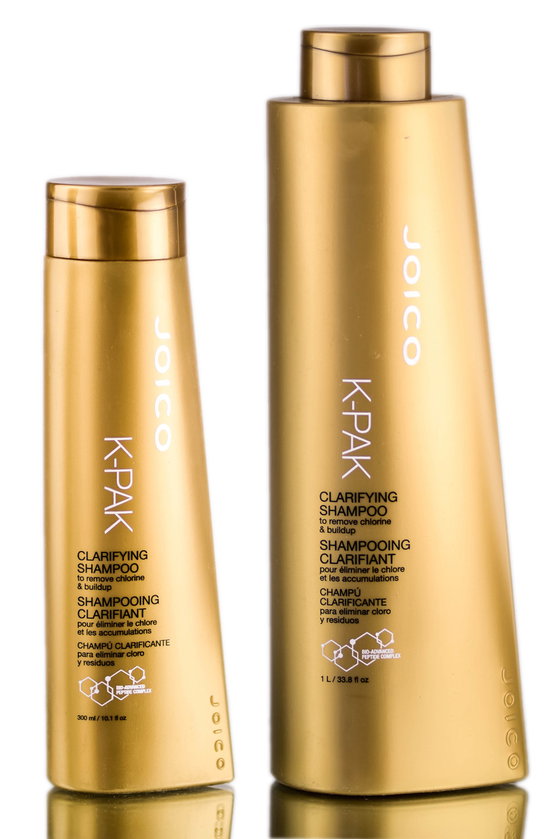
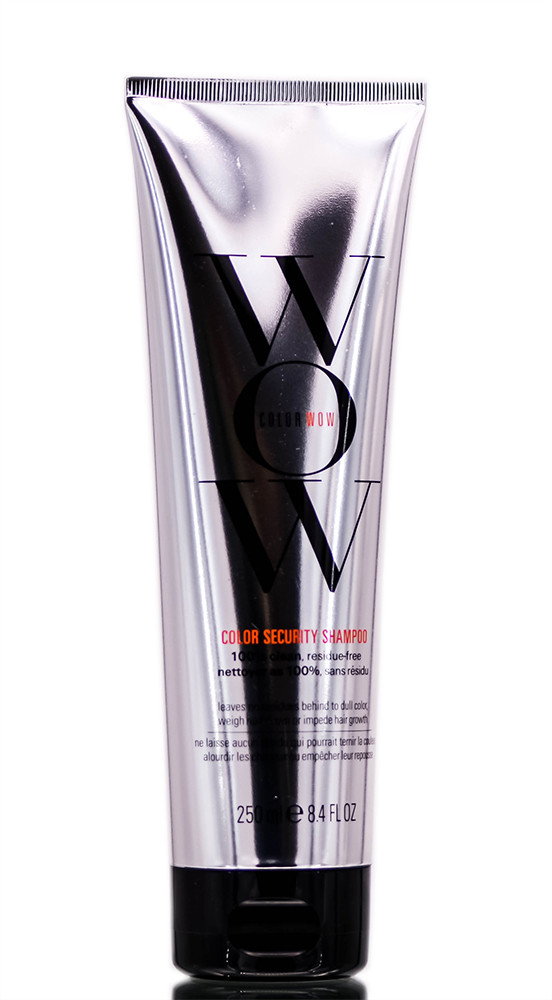
Color-safe shampoo & conditioner
"Color-protecting" formulas prolong your hue and revive processed protein.
- ✓
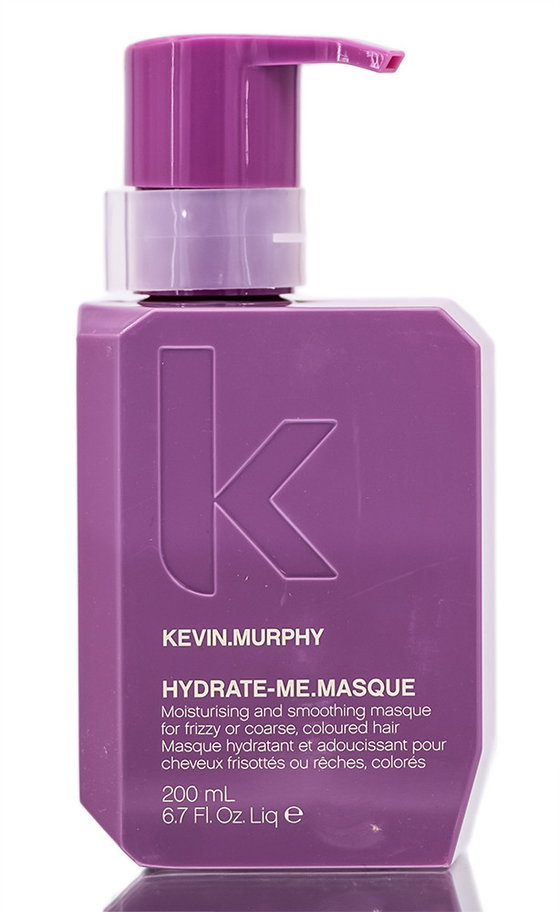
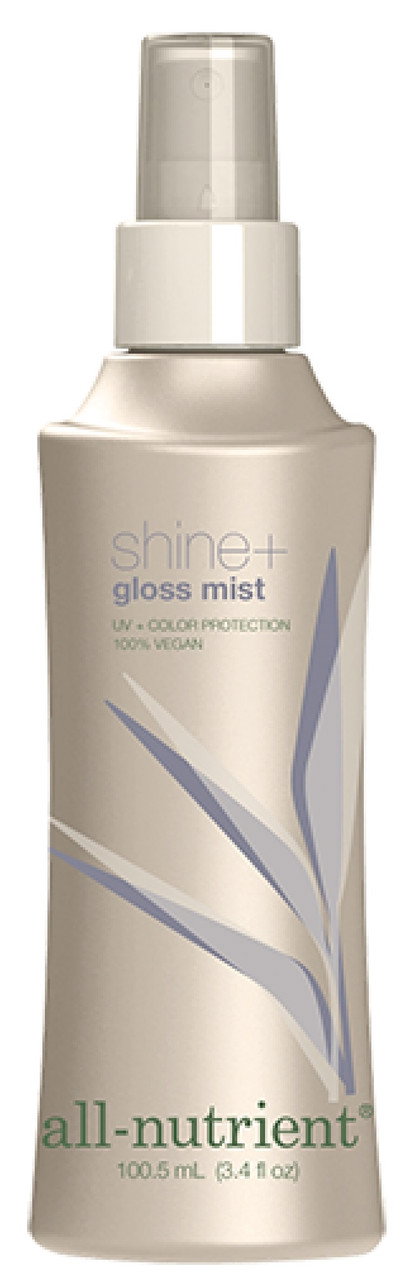
Hydrating mask & gloss
A weekly mask prolongs color and health; a gloss at week four boosts shine.
Get ready
Before you even mix the color with the developer, there are a few pre-game moves to make.
Testing, testing
Don't skip the patch test — fresh color over previously-dyed hair can shift the shade, and processing time varies by texture. Fine or porous hair may need less time; thick, coarse hair may need more. You'll also confirm you're not allergic to anything in the formula.
TLC for textured hair
If you don't usually have relaxed hair, do a conditioning treatment the day before you color. Curlier and kinkier textures should stretch the hair before diving in.
To wash or not to wash
Extremely oily scalp, fine-to-normal hair, or heavy silicone use? Clarify first for better saturation. Damage-prone or dry curly hair? Let your natural oils buffer between hair and color.
Dry hair only
Dyeing wet hair dilutes the color for an inconsistent result. Sensitive scalp? A packet of Sweet 'N Low in the dye eases ammonia's drying, irritating effects.
Some section affection
Separating hair into four quadrants is simple and effective: part down the middle from front to back, then from left to right behind the ears. Seal the entire hairline — behind the ears, base of the neck — with clear lip balm before a drop of color goes on.
And remember: mix your color right before you apply. The moment color hits developer it starts to oxidize — left sitting, it loses the potency to penetrate the hair shaft.
Hover each quadrant ✦ front to back
An even coat of shimmer
Paint by numbers
Begin from the two front sections before heading to three and four, finishing each completely before moving on. Root touch-up? Start at the scalp where regrowth occurs, then comb product through the shaft to avoid a demarcation line.
Scalp heat processes roots faster — so start a half-inch away from the scalp working toward the ends, and return to the roots halfway through processing. Curl pattern above 2c? Hold hair taut from the tips while coloring each panel.
Think small
Work in half-inch horizontal sections or less. Bigger chunks mean more area to cover and more missed spots. Move freshly colored hair over the top of the scalp, separate the next piece with the pointy end of your brush, and slide color to the tips with gloved fingers.
Check your work
Use the handheld mirror on the hard-to-see back and touch up anything you missed. Extra color in the bowl? Use the rest as added insurance that hair is fully saturated.
Clean as you go
Wipe away splatter instantly with makeup wipes — before it stains.
Bag it up
Lift roots slightly with the tail of your brush to ventilate, then gather hair loosely under a plastic cap. Don't smash it down — airflow processes color accurately, and the cap's natural scalp heat helps it develop while preventing drips and stains.
Netflix & chill
Set your timer to stun and relax with a show or a good book. Rinsing too soon leaves unfinished business; waiting too long invites damage.
The rinse
Remove white shower curtains and rugs first. Rinsing can take two to three shampoos and a conditioning sesh — keep going until the water runs clear. Dry with those old or black towels.
"Set your timer to stun — then let the color do the work."
Keep the party going
Cut down on washing
Wait 24–48 hours before the first wash so color can set — that includes gym sweat and swimming. Must take a dip? Swim cap or a coat of conditioner first, then a cold rinse to lock the cuticle.
Watch the heat
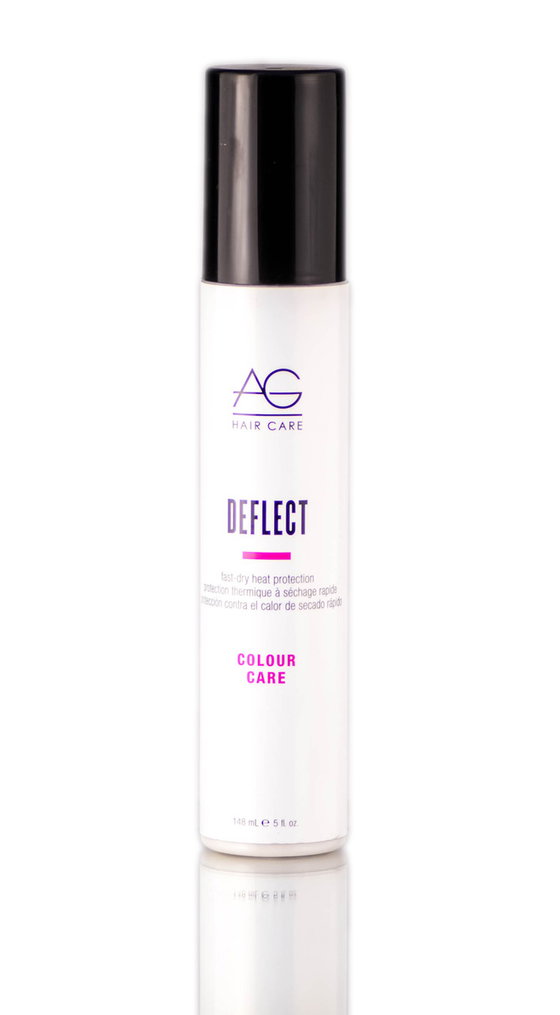
Blow-dryers and irons fade color fast. Always use a thermal protectant, keep dryer settings low to medium, and finish with protective products.
Fun in the sun
Sun exposure breaks down hair color — wear hats or scarves for long days outside. Four weeks post-color, a glaze or gloss revives shine and intensity.
The Hair Color Alphabet
From A for Ash to V for Violet — learn to read the box like a colorist.
Read the story → No. 03Hot Roots & Other Color Mishaps
Diagnose hot roots, splotchy color and too-dark endings — and the pro fixes for each.
Read the story → No. 04Is Your Hair Color Achievable?
Lighter, darker or full pastel: find out if your dream shade is a DIY or a salon day.
Read the story →